tierneytravels, U.S. National Parks

Crazy Horse Memorial

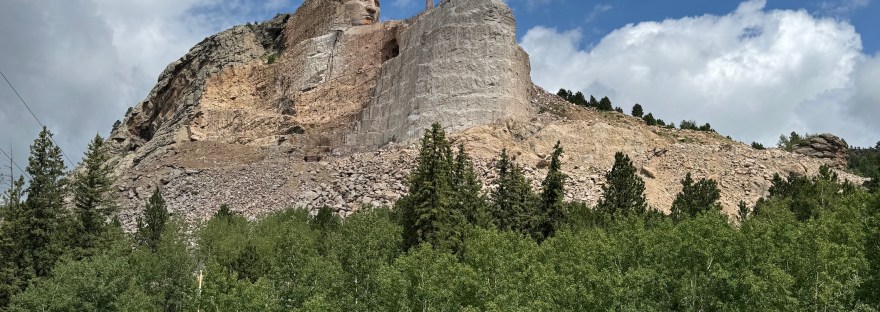
While we were visiting South Dakota in July, we discovered that 17 miles or so down the road from Mount Rushmore (see my recent post Mt. Rushmore National Park, Believe the Hype) is the Crazy Horse Memorial.

Since we were already in the area to see Mount Rushmore it made sense to see the Crazy Horse Memorial (which is a memorial in progress)!

According to Wikipedia:

“The Crazy Horse Memorial is a mountain monument under construction on privately held land in the Black Hills, in Custer County, South Dakota, United States. It will depict the Oglala Lakota warrior Crazy Horse, riding a horse and pointing to his tribal land. The memorial was commissioned by Henry Standing Bear, a Lakota elder, to be sculpted by Korczak Ziolkowski. It is operated by the Crazy Horse Memorial Foundation, a nonprofit organization.”

Crazy Horse was a Native American war leader of the Oglala Lakota. He took up arms against the U.S. Federal government to fight against encroachments on the territories and way of life of the Lakota people. His most famous actions against the U.S. military included the Fetterman Fight (21 December 1866) and the Battle of the Little Bighorn (25–26 June 1876). He surrendered to U.S. troops under General George Crook in May 1877 and was fatally wounded by a military guard, allegedly while resisting imprisonment at Camp Robinson in present-day Nebraska. He ranks among the most notable and iconic of Native American tribal members..”
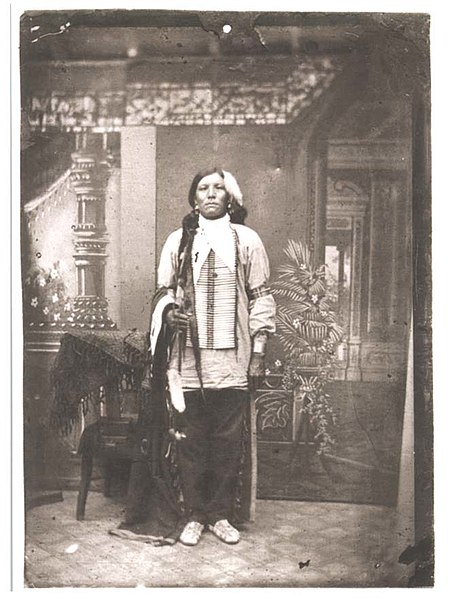
Image credit: Crazy Horse 1842, nativepartnership.org

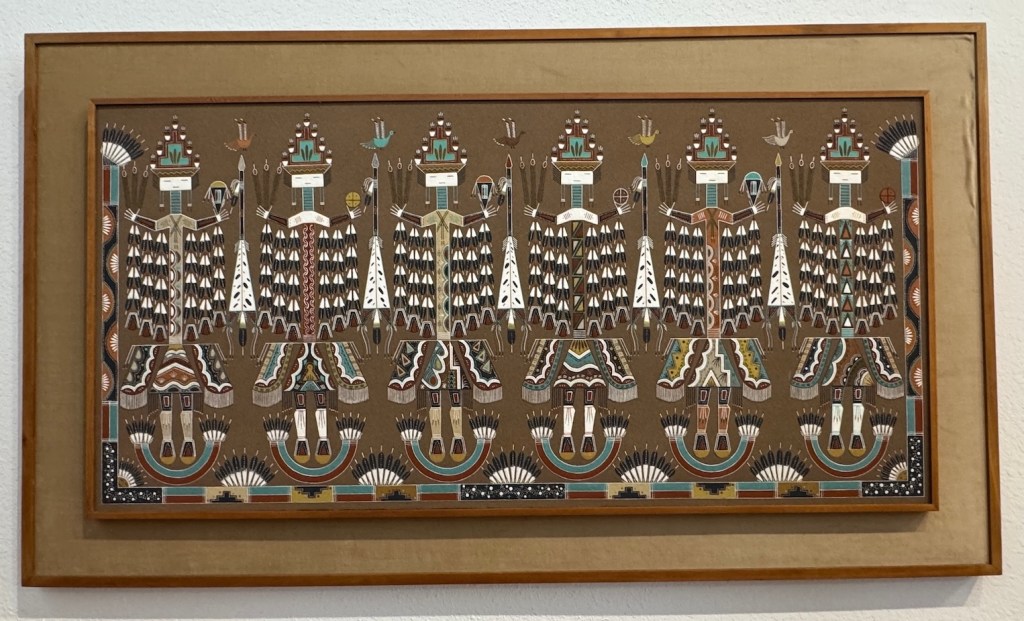
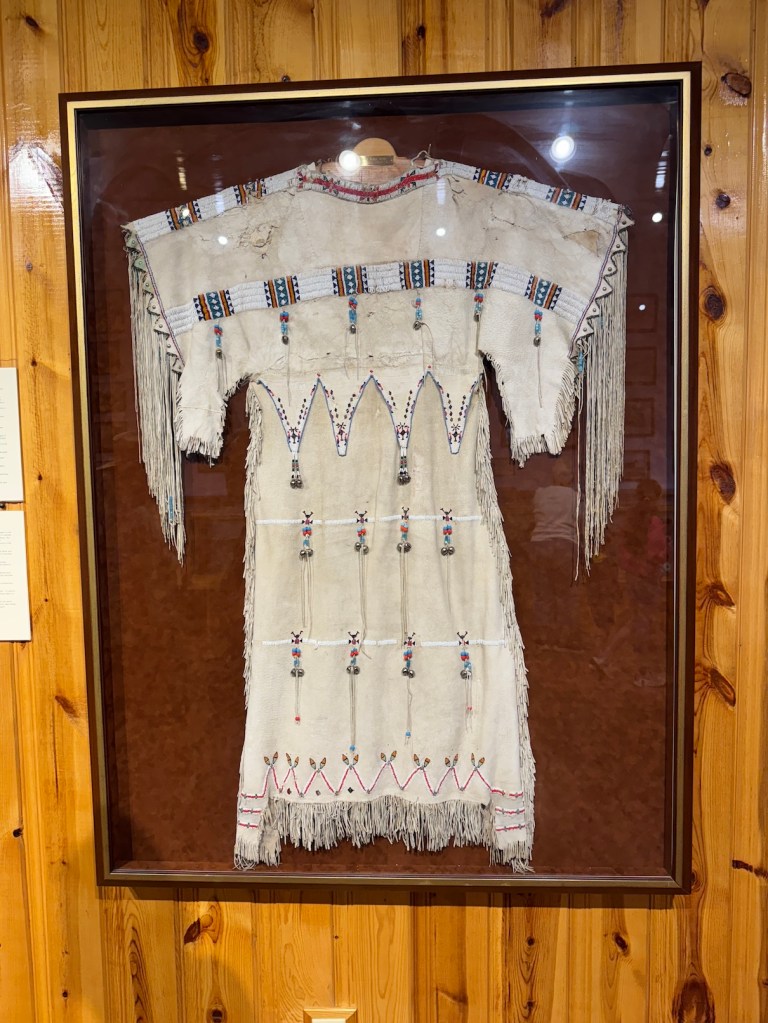
Before we took a bus to see the Crazy Horse Memorial in progress, we first stop at the Visitor Center and wandered around the Indian Museum of North America, “a large collection of art and artifacts reflecting the diverse histories and cultures of over 300 Native Nations.” (crazyhorsememorial.org/the-museums)

Then we got on the bus to travel to the Crazy Horse Memorial carving site which is on a private road.
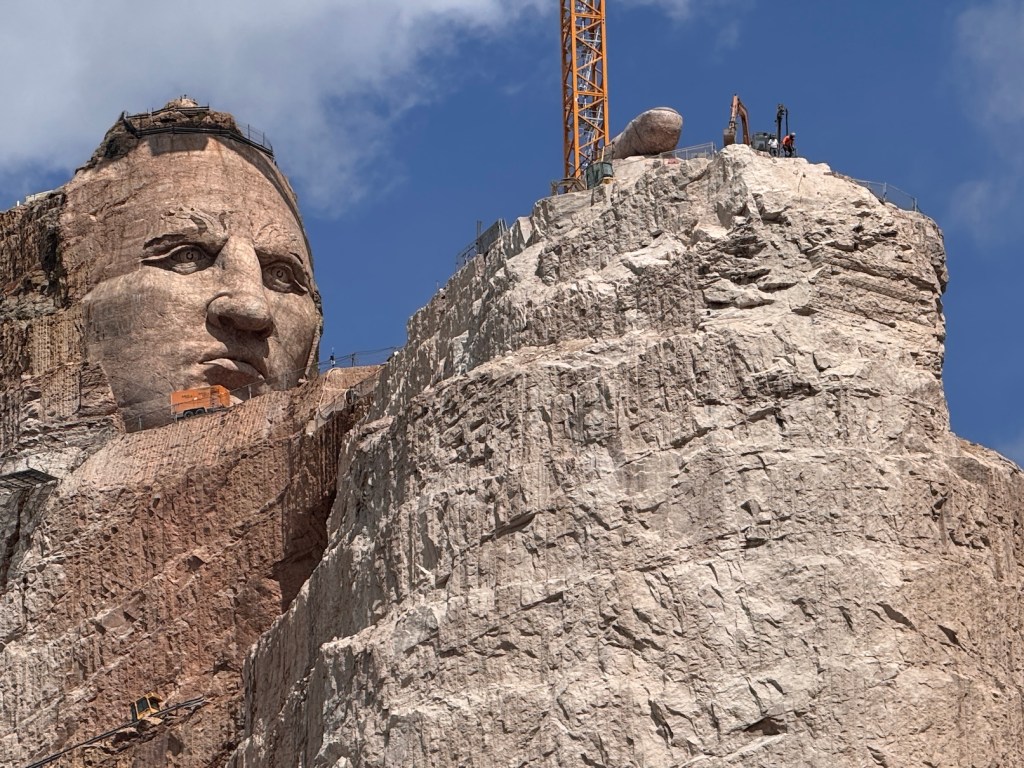
Here are some of our photos from the site and I bet you can guess that the photos do not do the experience justice of seeing it in person, but unless I can teleport you all to the memorial this will have to do! 🙂
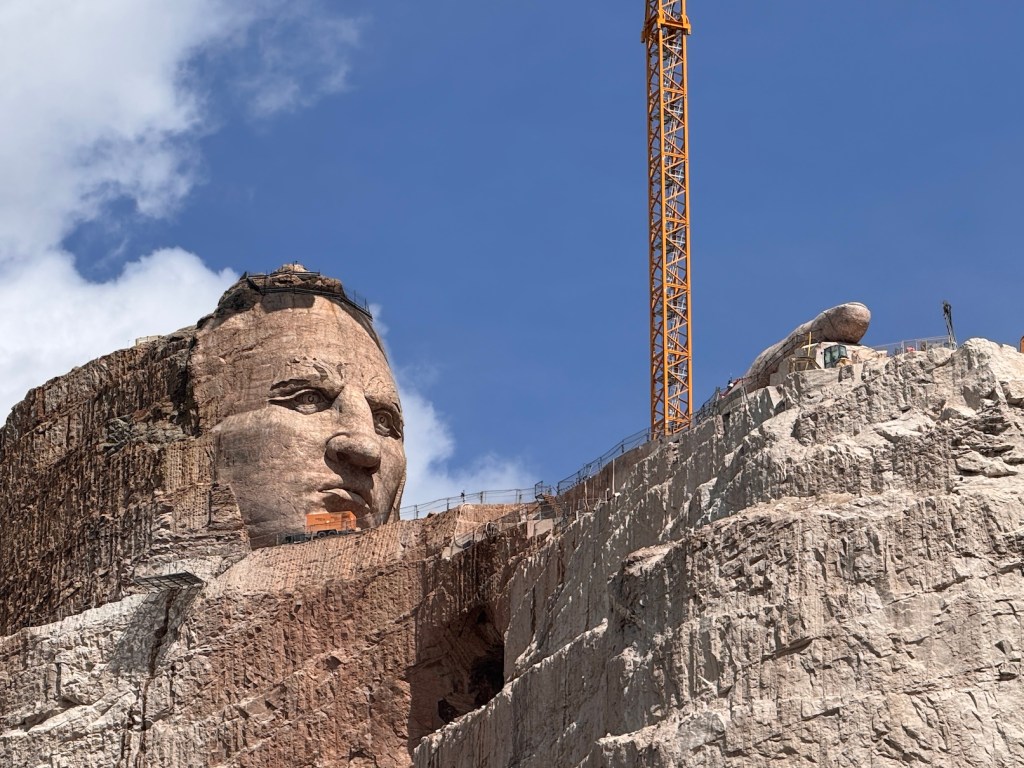
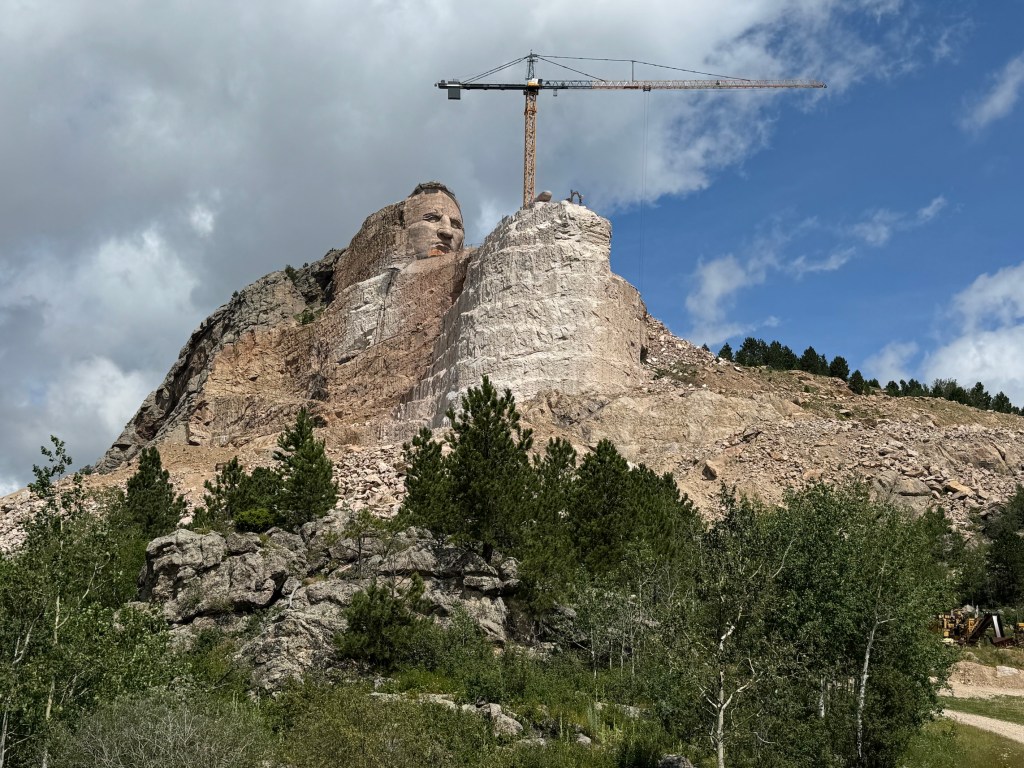
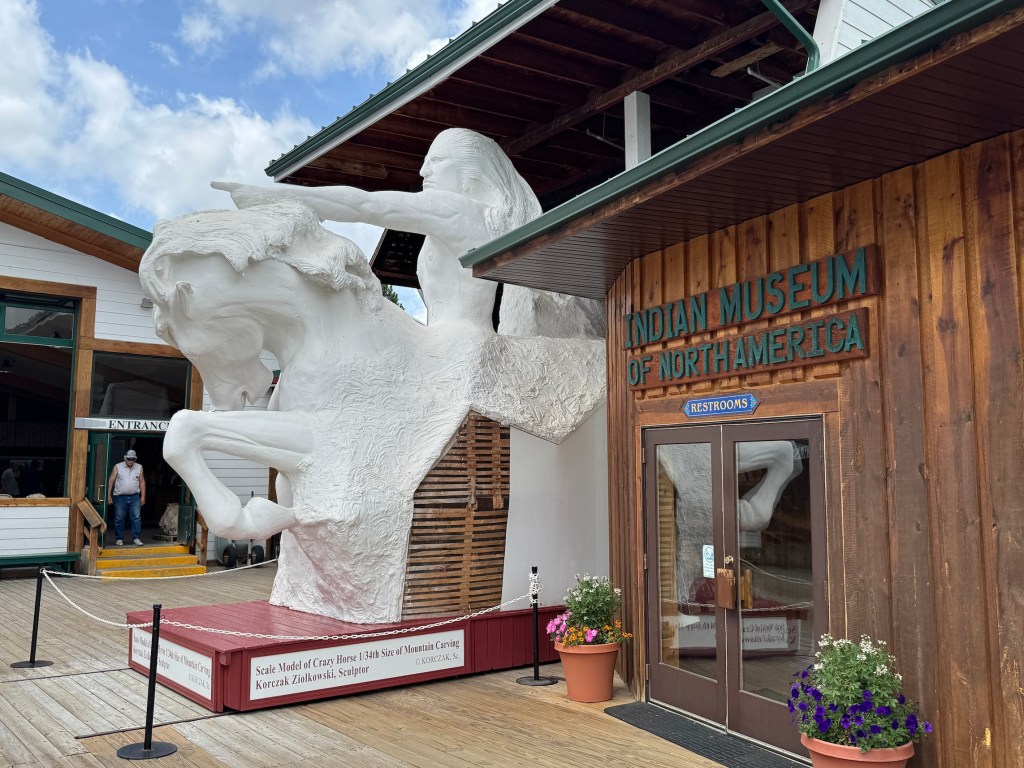
At the Visitor Center they had a model of what the completed memorial will look like someday:
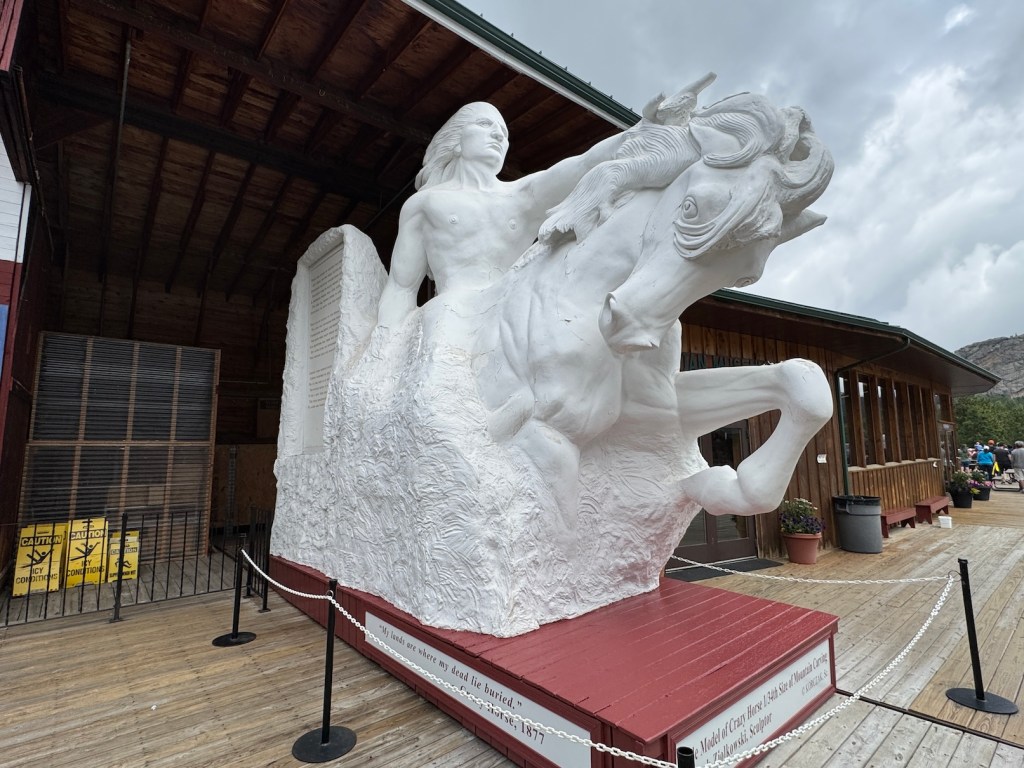
As far as completion of the Crazy Horse Memorial – so far the head and left hand are completed; and according to Google AI:

“There is no definitive completion date for the Crazy Horse Memorial, and it is expected to take many more decades, with estimates suggesting a potential completion around 2037 for the horse’s head, arm, and hand, but the entire monument is considered a long-term project with no firm deadline, according to Summer Creek Inn and Wikipedia. The monumental scale and funding challenges, which rely on donations, have contributed to the lengthy construction time.” 

I’d like to visit it when it is complete someday, it will be spectacular.

tierneytravels, U.S. National Parks

Mt. Rushmore National Park, Believe the Hype

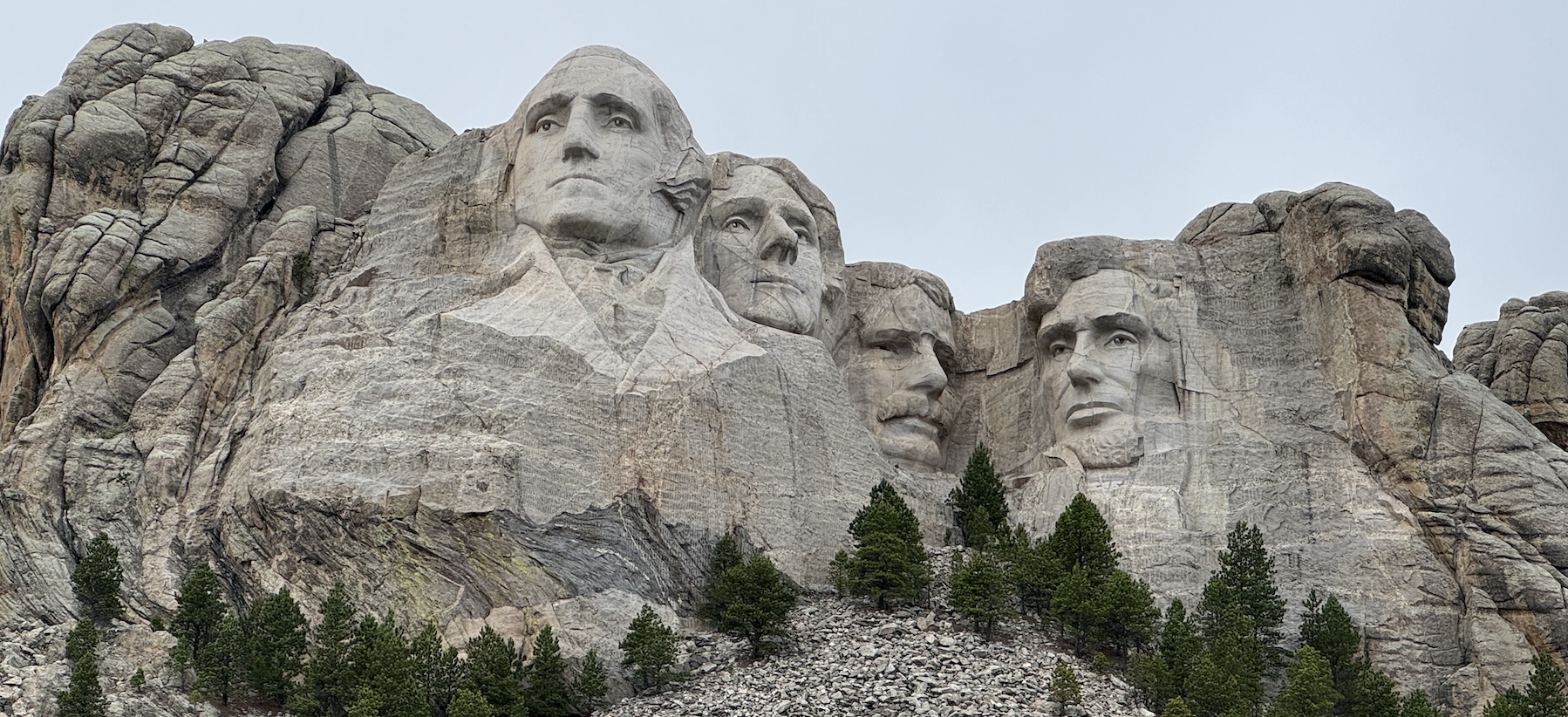
As part of our ambitious and kind of epic roadtrip to Wyoming, South Dakota, and Nebraska, we stopped at Mount Rushmore National Monument in Keystone, South Dakota.

John had been there before I said it was a “must see”, I trusted him but I wondered if it was worth the hype.

It is worth the hype.

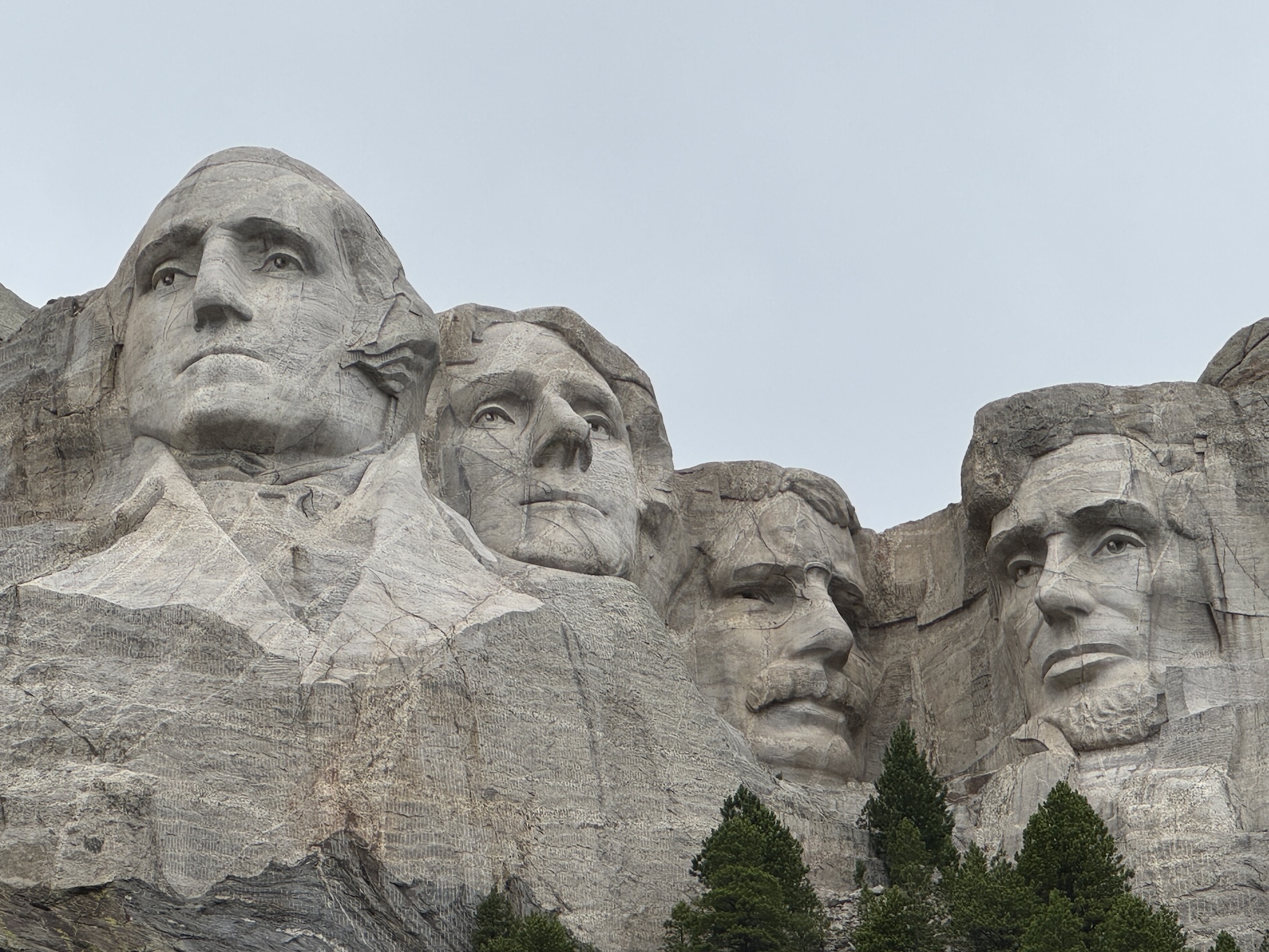
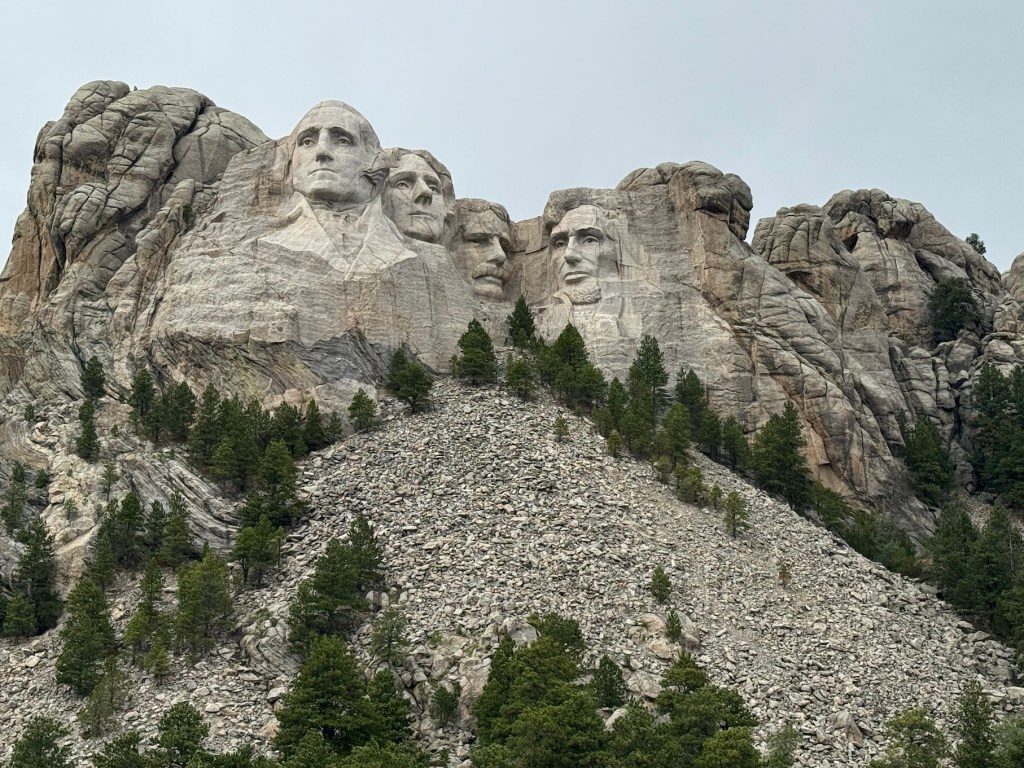
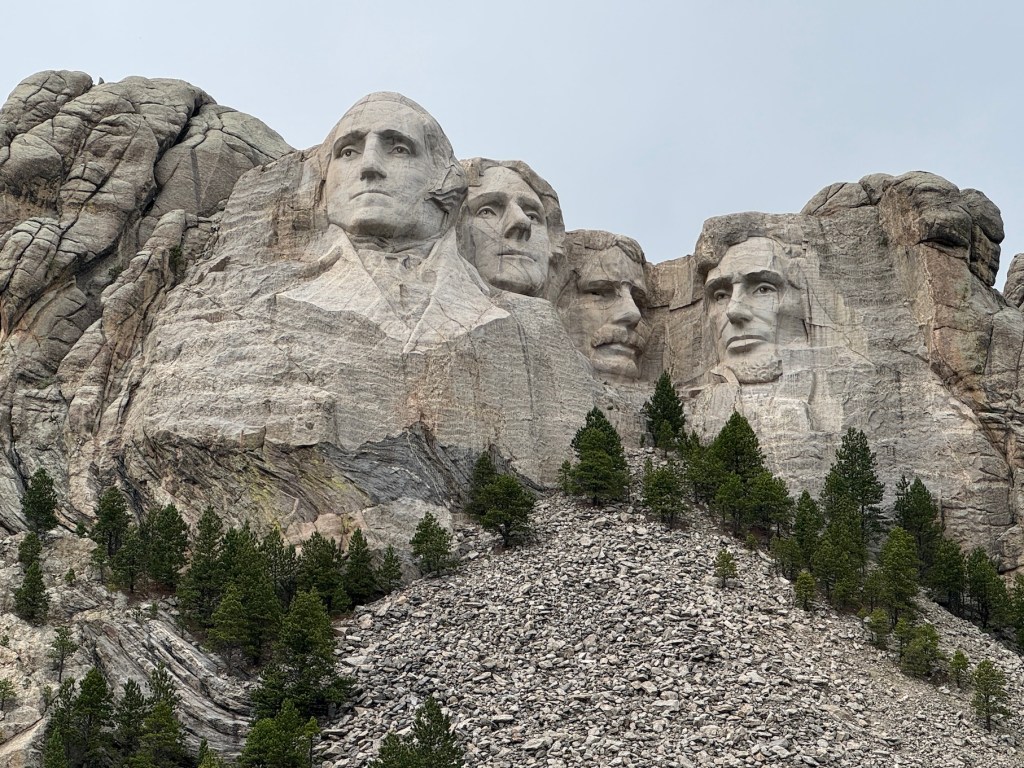
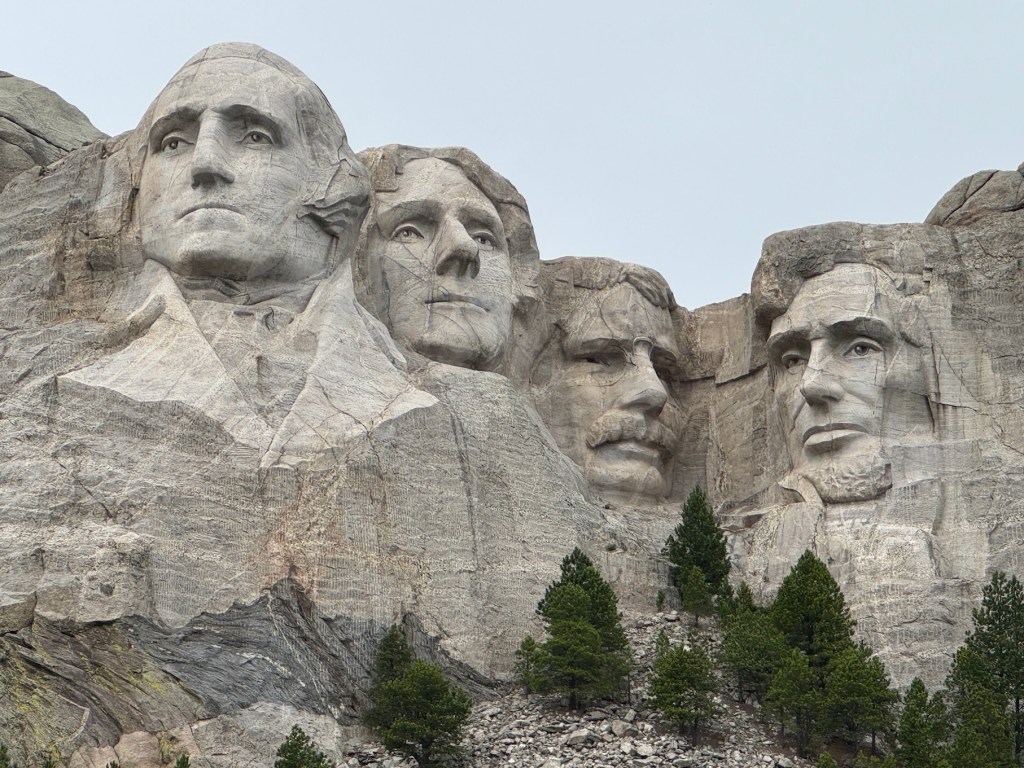
Carved from a section of the granite face of 5,725 feet (1745 meters) above sea level Mount Rushmore are the 60 foot tall figures of four former U.S. Presidents: George Washington (1789-1797), Thomas Jefferson (1801-1809), Theodore Roosevelt (1901-1909) and Abraham Lincoln (1861-1865). These four U.S. Presidents are very significant in U.S. History. (A full listing of U.S. Presidents by year if you are curious is at The Presidents Timeline website).

According to the U.S. National Park website: “…surrounded by the beauty of the Black Hills of South Dakota, tell the story of the birth, growth, development and preservation of this country…”

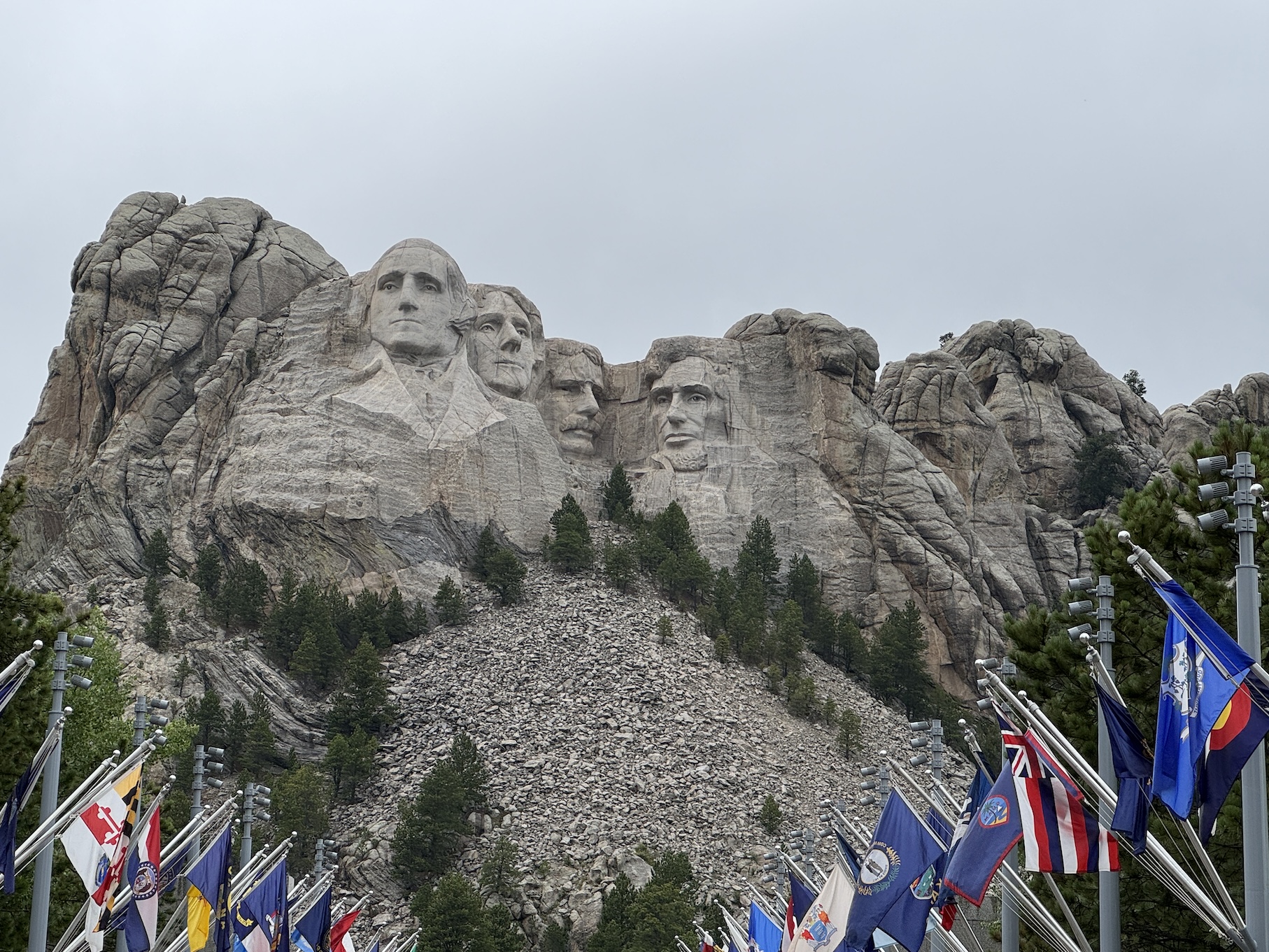
Here was our view of the national monument when you first enter the park:

Actually when we first arrived it was very cloudy and misty and we couldn’t see anything on Mount Rushmore, and then it suddenly cleared to reveal an amazing view.

We walked through the State Flags of U.S. States and it was fun to try and locate the State Flags for states I lived in my lifetime: Pennsylvania (only briefly), New York, Washington, Oregon and Colorado.

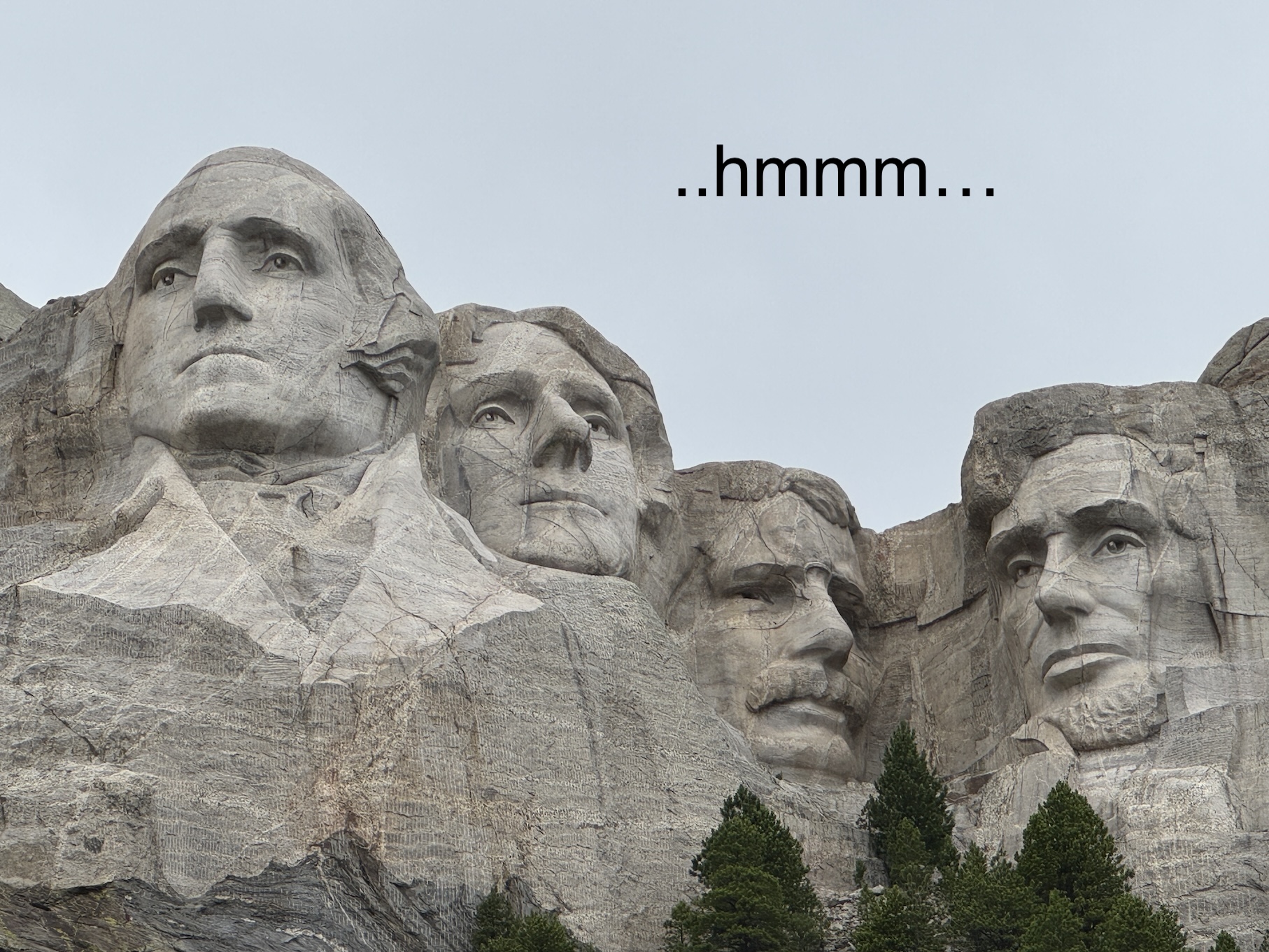
After walking through the State Flags we walked down into the amphitheater area where very few visitors were (it felt like we had Mount Rushmore to ourselves compared to the busy upper areas) to spend time just looking at the Mount Rushmore National Monument.

It made us very reflective. After a while of sitting before these mammoth carvings it made us feel as if these four historical U.S. Presidents, each with major contributions, are looking over the U.S. today, watching.

I keep away from political discussions on my blog because I want to respect the different political opinions of others which stem from their life experiences and values, but I do want to share that we just started to wonder: “What would George Washington , Thomas Jefferson, Theodore Roosevelt and Abraham Lincoln this of the U.S. today?. Would they be proud? Did the U.S. become what they hoped it would become?”

Not try to spur any political discussion, I just wanted to share some of our musings as we sat reverently and studied the monument.

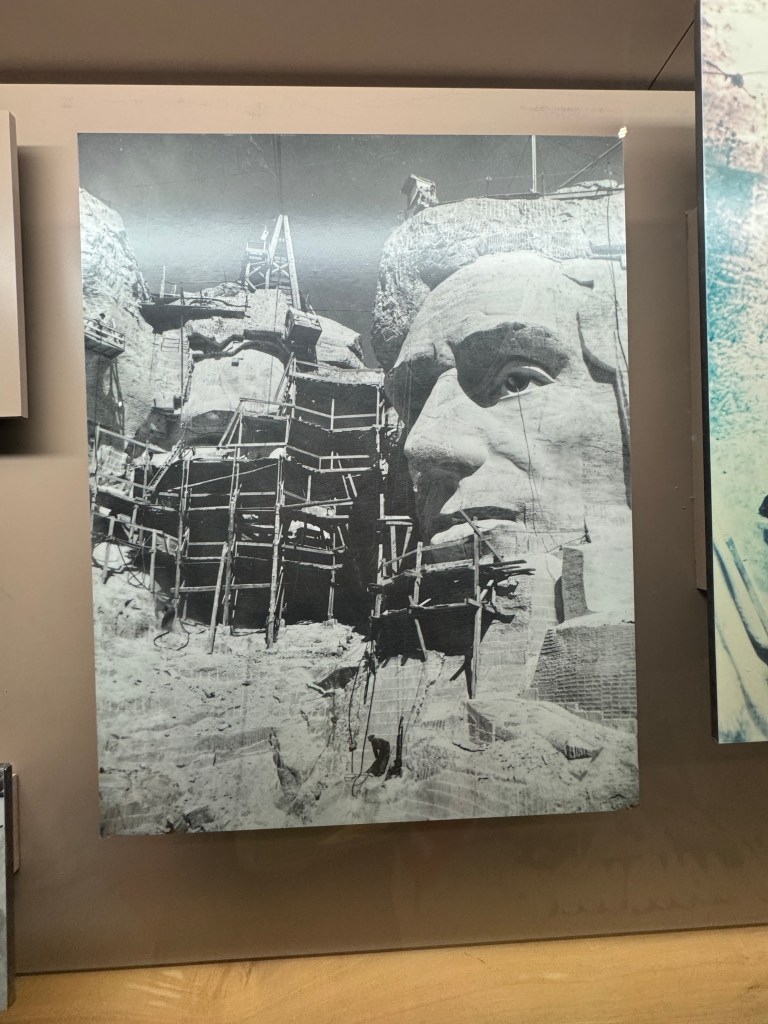
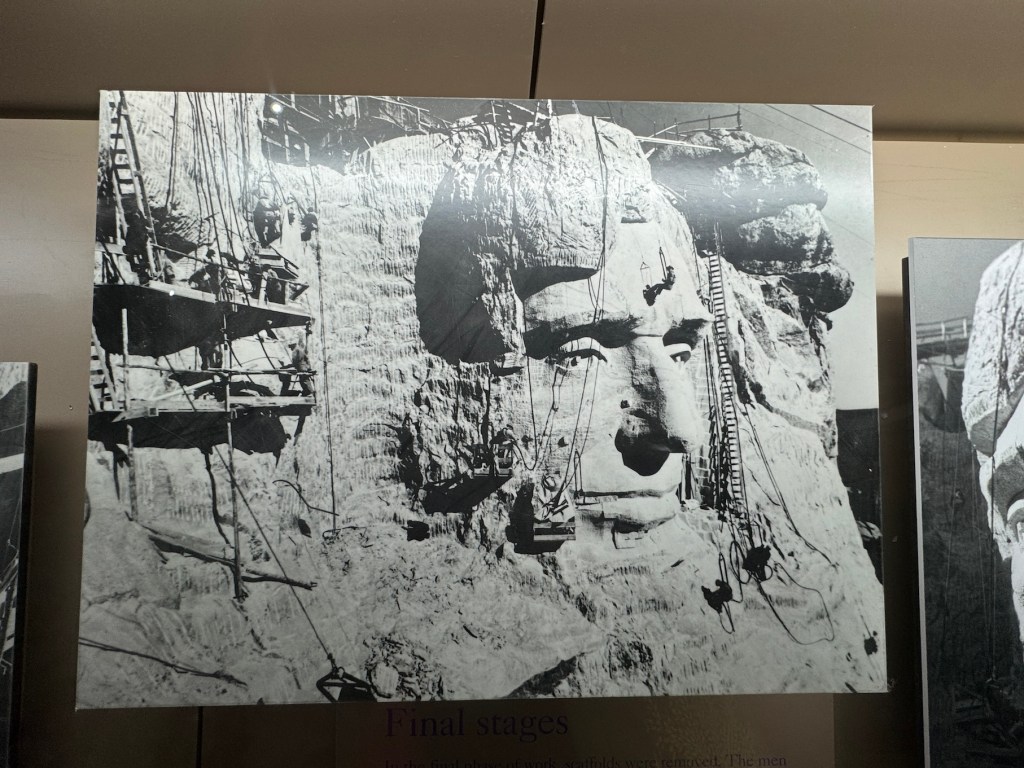
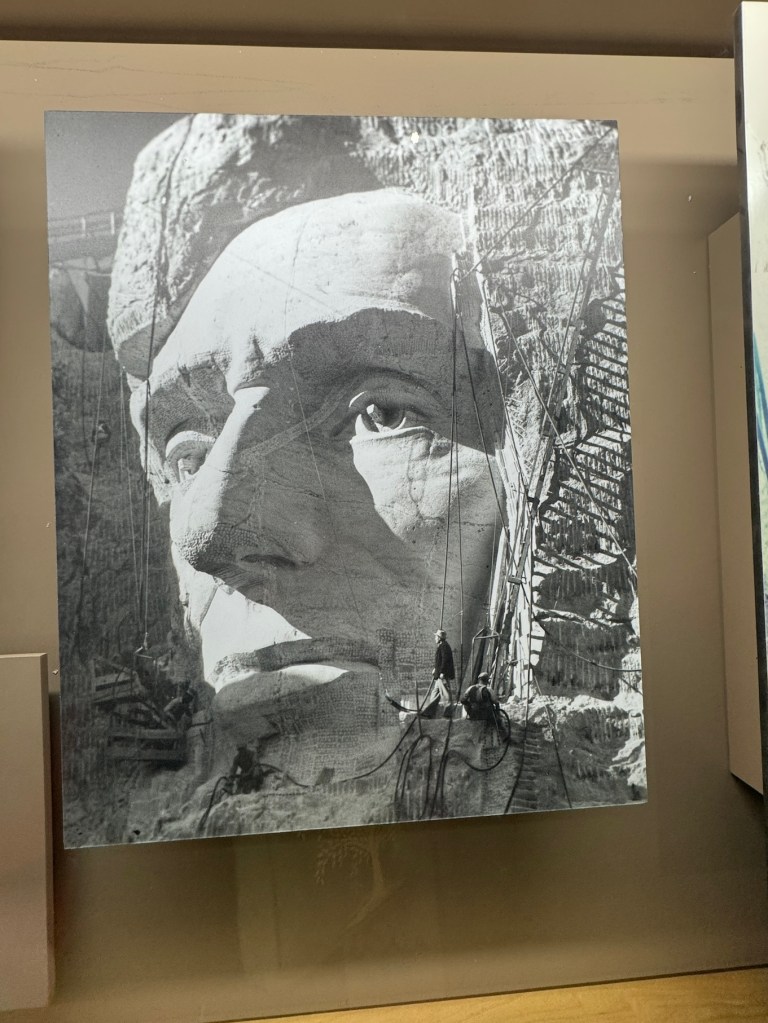
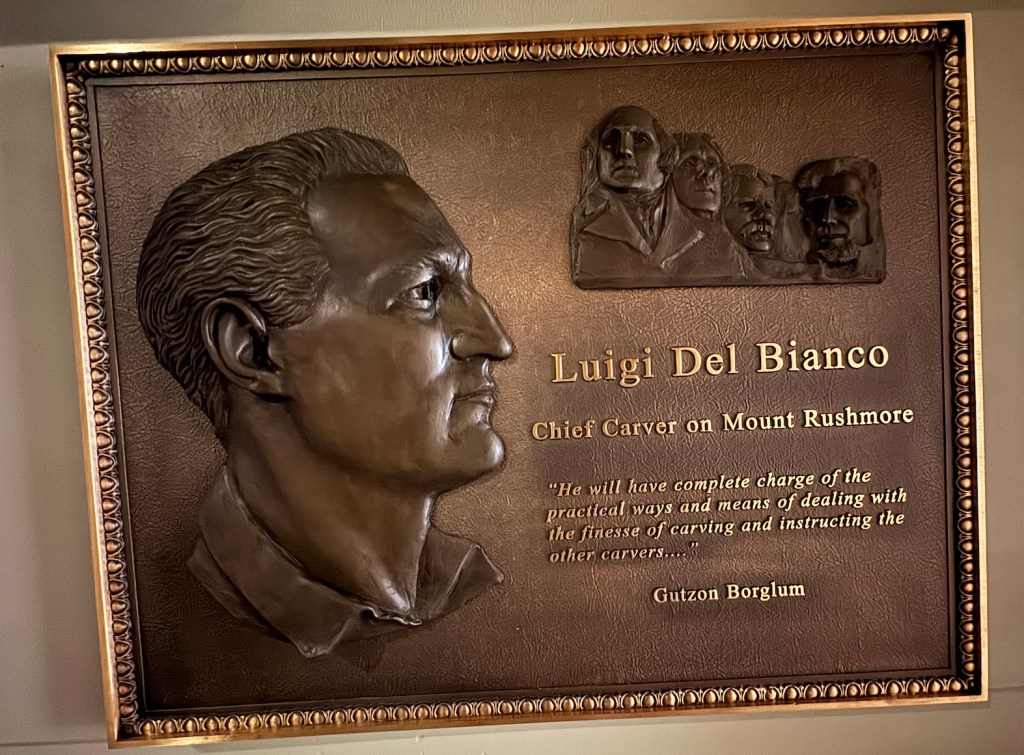
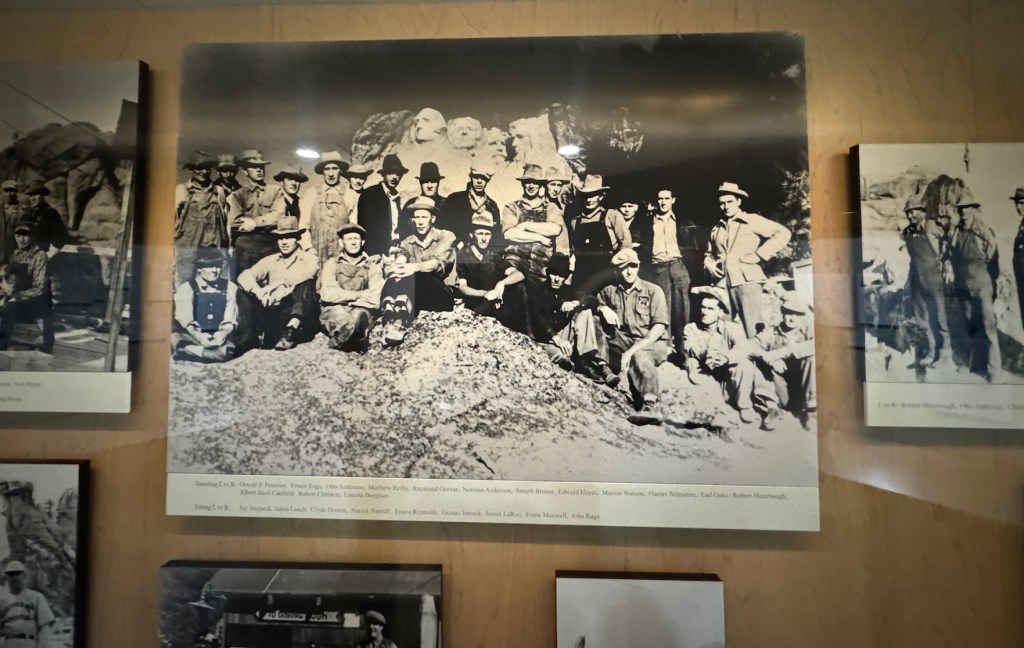
After sitting with the monument we went back upstairs and visited the amazing museum exhbit that shared images, history and equipment from the carving/creation of Mount Rushmore October 4, 1927 – October 31, 1941. The exhibit shared photos of the workers who translated the vision of the the Chief Carver. (If you’d like to read the carving history of Mount Rushmore, which involved lots of dynamite see this link Carving History)

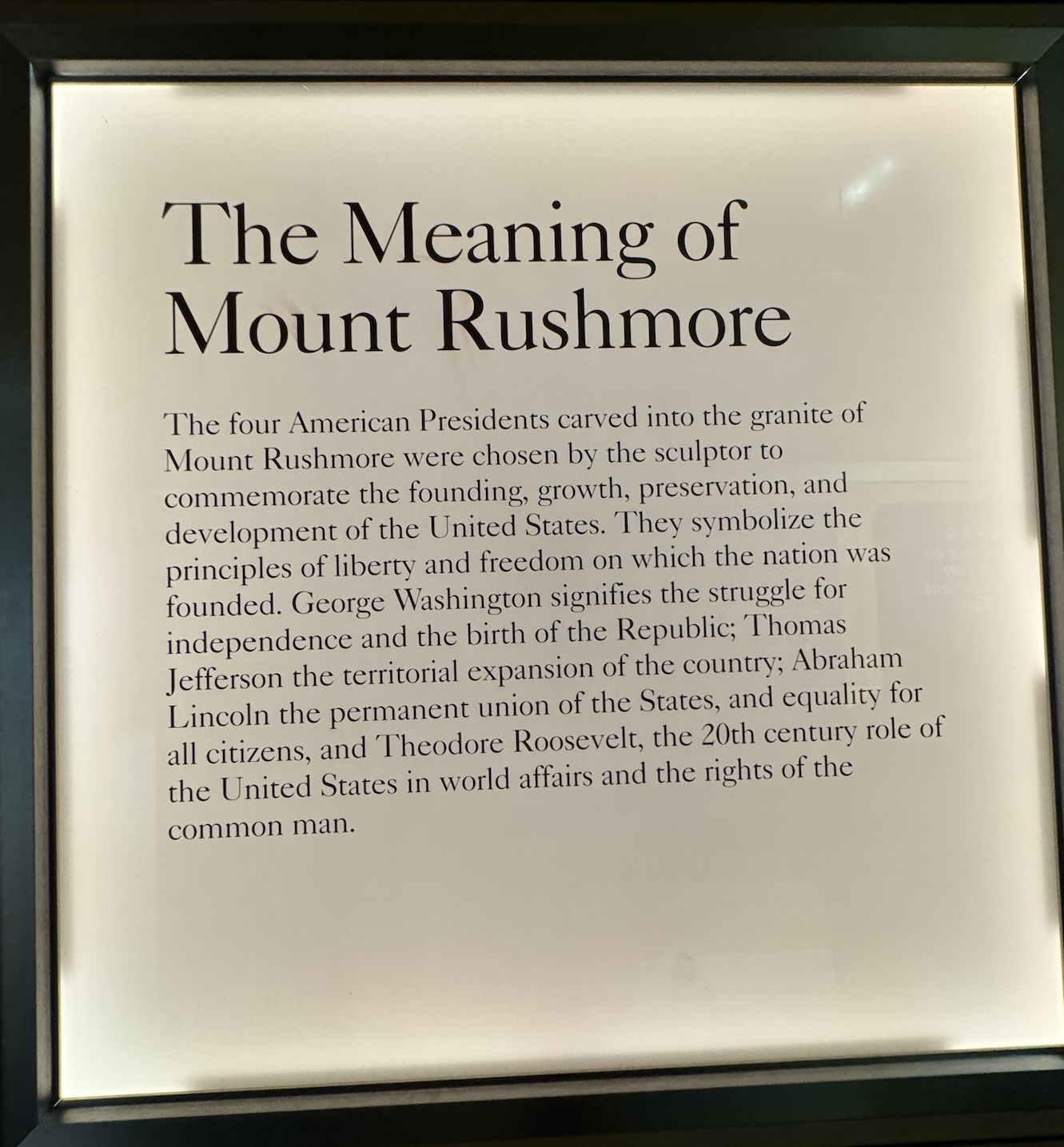
This placard in the exhibit particularly moved me:

To close out this post I just want to say that I like to imagine that the “Mount Rushmore Crew”: George Washington , Thomas Jefferson, Theodore Roosevelt and Abraham Lincoln are looking over the U.S. and are hopeful that it will transcend the current political situations and the “principles of liberty and freedom on which (the U.S.) was founded” will prevail.